

Great Ocean Road is not only a beautiful stretch of Australia’s coastline; it is a photographers’ haven. This iconic route consists of rugged coastlines, calm beaches, intense rock formations and verdant forests; hence, any landscape photographer worth his or her salt will find this place a photographic paradise. The Great Ocean Road offers countless opportunities to capture the stunning beauty of Australia’s landscapes frame by frame for both experienced and amateur landscape photographers.
Introduction
Great Ocean Road stretches for 243 kilometers from near Geelong to Allansford located in south-eastern coast of Victoria state, Australia. From crumbling limestone stacks at Apostles car park and rainforested gullies to pristine beaches at Bells Beach and dramatic cliffs and rock shelves at Port Campbell National Park, every twist and turn along this road provides new vistas for exploration.
Photography on our part along this road does not necessarily involve capturing great locations instead it depicts story-writing about nature just through one shot. Every rock, waterfall or horizon line has its own history shaped by wind and waves. Within these lands, there are lots of subjects that can be concentrated on in photography such as small detailed snaps like that falls mini waterfall at Erskine Falls to broad-scaled but seascape looking over pictures.
Preparing
When planning your journey, you should be well prepared before you start traveling. The variability in weather conditions along the Great Ocean Road means that having all the correct essentials is crucial. A tripod with legs made up of stiff steel would also help stabilize your camera during low light levels or weak cloudy days. Similarity, many different lenses will give you a chance to make various photos ranging from wide perspective landscapes to little close-ups with an image magnification value below 1x within plants’ kingdom around you. Don’t forget to put a neutral density filter in your kit, it will help you handle the dynamic range in the scene; moreover this allows for slower shutter speeds when shooting against bright sunlight so that water is smoothened and sky captured without overexposure.
List of Essential Gear for Landscape Photography:
- DSLR or mirrorless camera with broad dynamic range
- A variety of lenses ranging from wide-angle to telephoto for different scenes
- Sturdy tripod to secure shaky surface or stand strong winds
- Neutral density filters that can handle light variations and control exposure
- Waterproof camera bag for sea spray wind gusts protection
For photographing the magic of landscape, the best time is always. Mood and quality of your images can be dramatically changed by planning shoot times around light conditions, especially during sunrise and sunset golden hours. Knowing more about weather patterns as well as the best time to shoot at particular places will increase chances of getting those perfect shots.
The Best Places for Photography
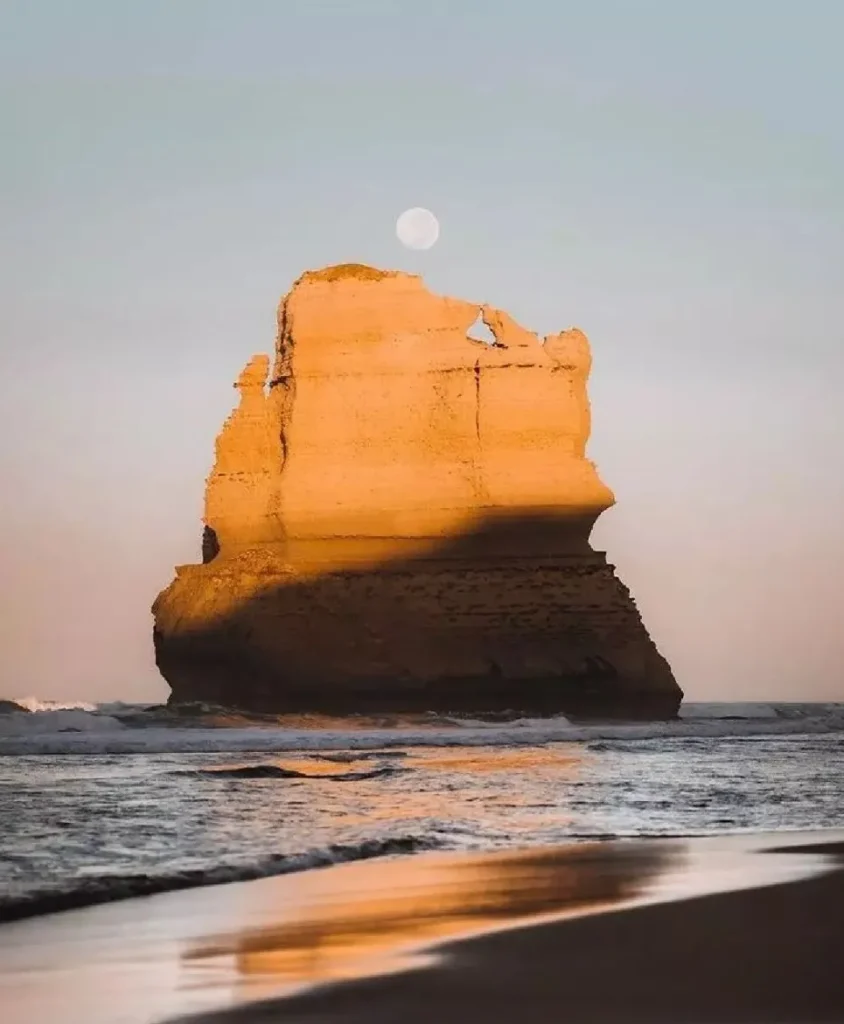
Amongst the plethora of stunning backdrops, there are a few sites that are specially noted for their individuality in terms of photography. Hopetoun Falls in Otway National Park features a green and leafy background with the waterfall cascading down fern-lined boulders which is perfect for anyone wishing to capture an unspoilt natural environment. For lovers of seascape photography, the Twelve Apostles make quite an iconic Australian scene. Finding new perspectives and times of day to shoot these much-photographed structures makes your pictures special.
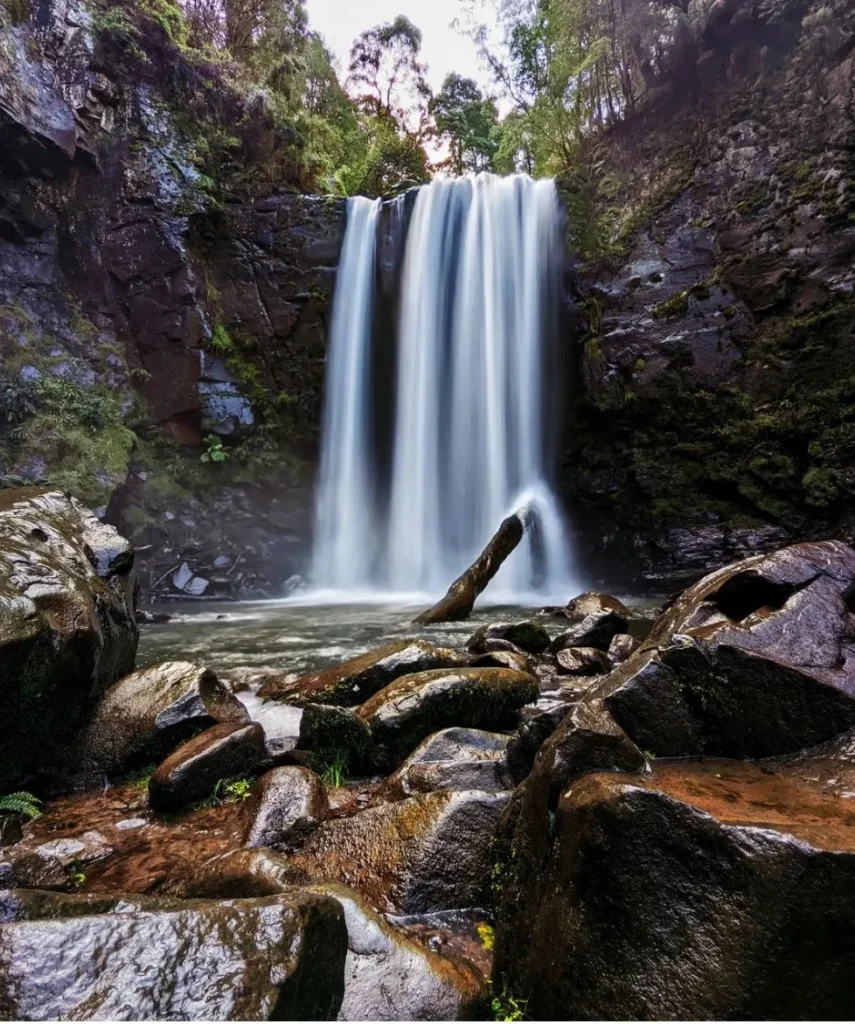
Table: Iconic Photography Spots Along the Great Ocean Road
| Location | Feature | Ideal Time for Photography |
|---|---|---|
| Apostles car park | Limestone stacks, sunset views | Sunrise, Sunset |
| Hopetoun Falls | Waterfall, lush forest | Early morning, Late afternoon |
| Port Campbell | Rock formations, cliff views | Golden hours |
| Beauchamp Falls | Remote waterfall, dense woodland | Overcast days |
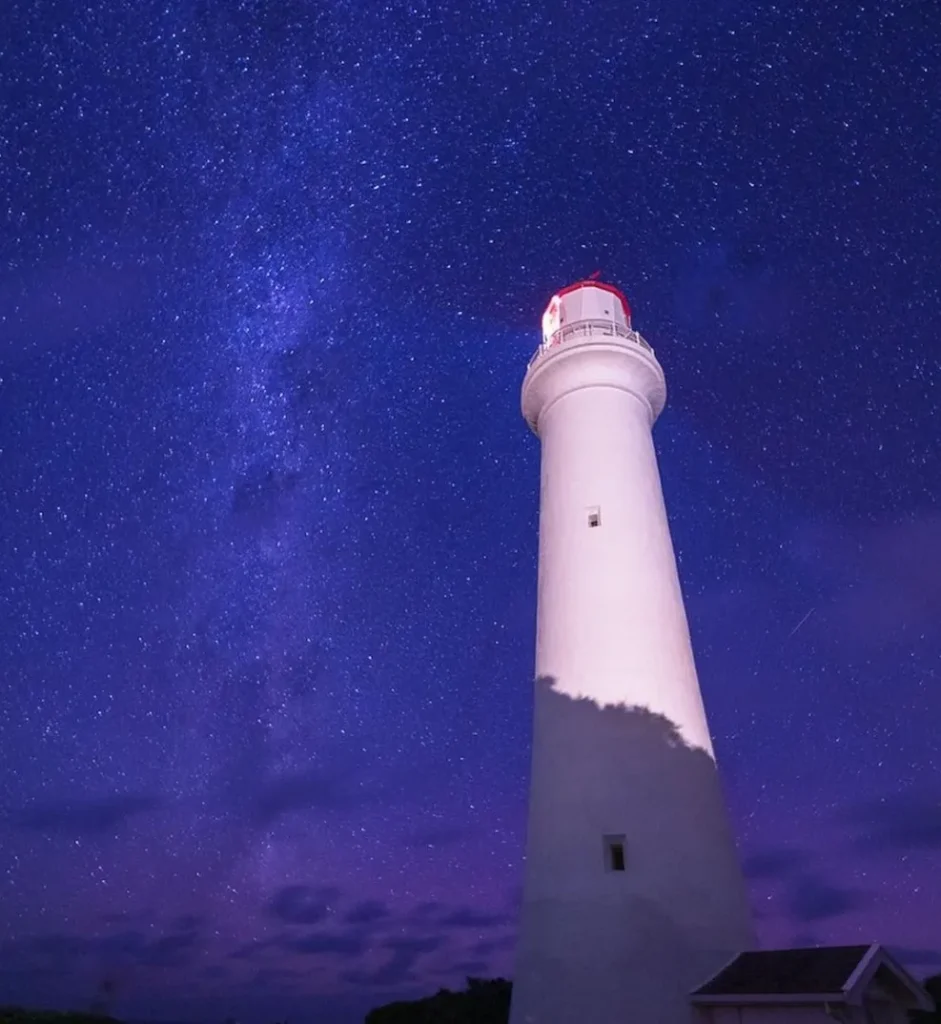
| Split Point Lighthouse | Coastal views, rugged terrain | Sunset, Night photography |

These locations only scratch the surface though. Truly dynamic range and stunning photographs come from exploring lesser-known spots where light interacts with landscapes. They include remote Cape Nelson Lighthouse as well as obscure beach access points along the way – each one is a unique canvas for your photographic craft.
Photography on Great Ocean Road is not just a test of technical skills – it’s also an artistic exploration. Each destination along this historical route affords individuals an opportunity to both showcase and emotionally reflect upon nature’s beauty through creating images that resonate with Australia’s breathtaking south coast scenery.
Planning Your Itinerary
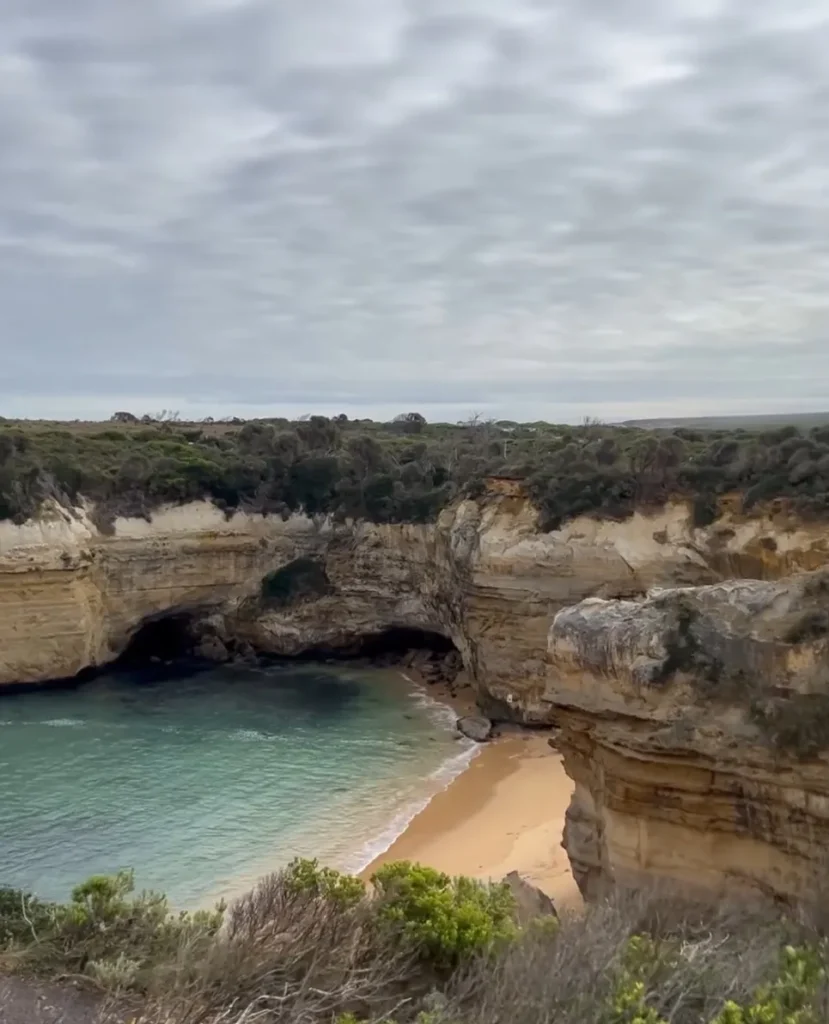
Building a successful photo itinerary demands more than knowing where good photos can be taken but involves appreciating each location fully and timing them when lighting is at its best while avoiding crowds. A well-thought-out week-long photography itinerary might involve a sunrise start at the Twelve Apostles, exploring the Otway region’s lush forests and waterfalls during midday, and then finishing up with sunset on the rugged cliff tops around Port Fairy or Port Campbell.
It is equally important to consider local by-laws while planning your trip so as to have a photography expedition that is friendly to both the natural environment and indigenous wildlife. Most parts of Great Ocean Road are protected hence some activities may require permits or have restrictions particularly for commercial photography and drones usage.
List of Tips for Planning Your Photography Trip:
- Research and adhere to guidelines on local fauna and flora to ensure sustainable use of photographic resources.
- Always check weather forecasts regularly because weather can change within minutes, leading to loss of life or spoiling your shooting conditions.
- Factor in spontaneous stops or longer-than-expected sessions at places you find interesting in your itinerary.
- Also keep in mind that it takes time between locations since roads are winding and stops might take more time than expected.
- Be aware of local events or road closures which may affect access to shooting sites, offering unexpected photo opportunities.
Conclusion
Going on a photography trip along the Great Ocean Road offers a once-in-a-lifetime chance to soak up one of Australia’s most beautiful and diverse landscapes. From the towering iconic stone formations overlooking the ocean to calm waterfalls hidden inside dense forests, each location has a different story to tell through your camera. The journey itself not only pushes you as a photographer but also makes your bond with nature and travel photography even stronger. Keep in mind as you plan your adventure that the real beauty of this experience is capturing the landscape in its true form, freezing those brief moments of light and life that speak both to the photographer and the viewer.
FAQ
Which is the best time to take photos along the Great Ocean Road?
Spring (September – November) or autumn (March – May) are usually considered as the best seasons for taking pictures at Great Ocean Road. These times have mild weather conditions, low rainfall and vibrant natural colors which make them ideal for landscape photography.
Can I join any photography tours on Great Ocean Road?
Yes there are many photography tours available targeting different levels of expertise and interests. These tours can give local insight and access some of the best photo spots at their peak.
Can I get drone permission for aerial shots along Great Ocean Road?
Drone usage is allowed in certain parts of Great Ocean Road but it is necessary to check specific locations’ rules as some places may be off limits due privacy, safety or animal welfare concerns.
What are some safety tips when shooting rugged coastal areas?
Always know where you are standing, watch out from edges over cliffs. Before going down rocky shelves or onto beaches check tide times plus weather forecast for suitable footwear when walking around slippery uneven surfaces.
How do I secure permits for commercial photography on Great Ocean Road?
You may require permits from local councils or national park management for commercial photography. It is good to approach them directly with your project specifics to ensure that you adhere to local standards and obtain any necessary authorizations.