
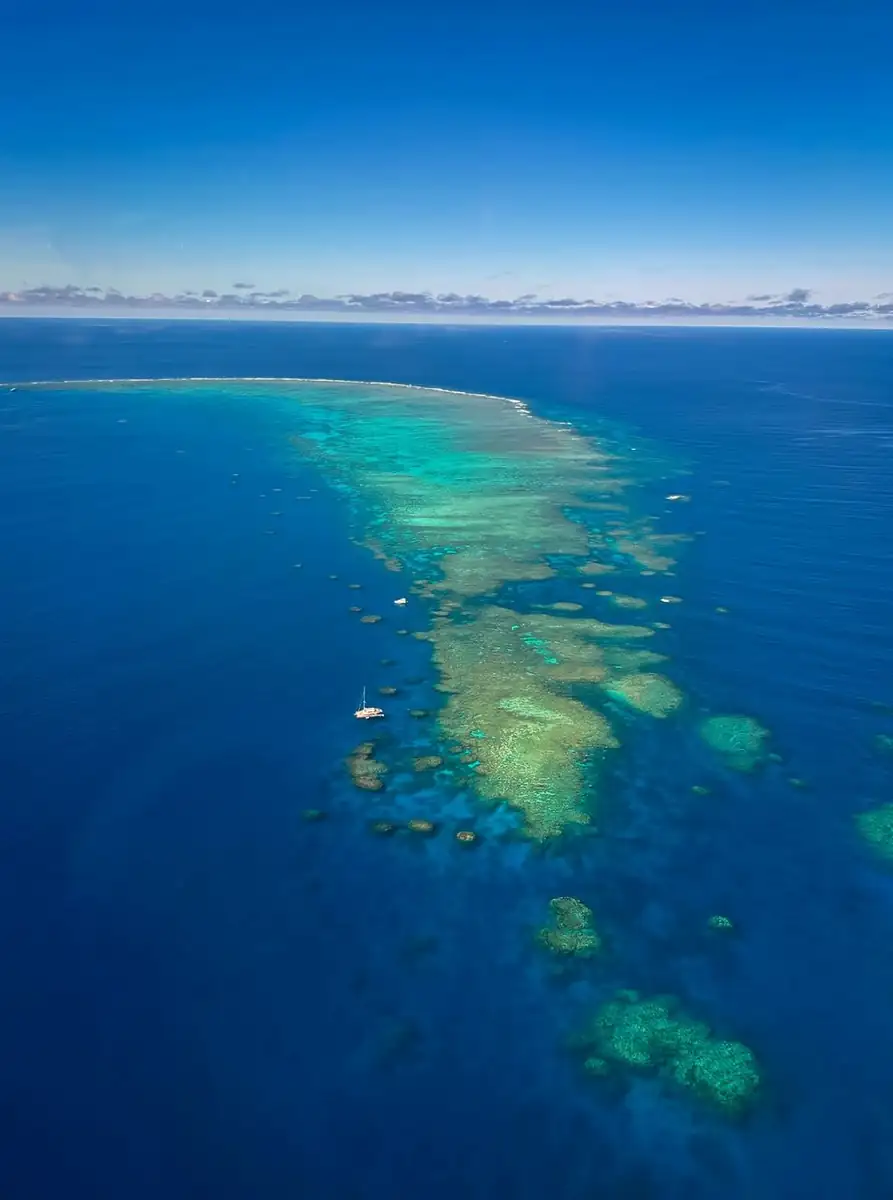
How to experience the Great Barrier Reef with low mobility or chronic pain starts with a much-needed reality check: you don’t need to be some kind of ultra-fit daredevil to enjoy this incredible place. All you need is a decent boat that won’t be a problem to get on and off, some realistic expectations about what you can fit in, and a tour operator that actually knows what they’re doing when it comes to mobility issues – the kind of people who’ve actually had experience helping people with disabilities or chronic pain.
My name is Paul, and I’ve been helping countless travellers who’ve got arthritis, broken backs, chronic fatigue syndrome, plantar fasciitis and the whole gamut of other mobility and pain issues to stand on an Outer Reef pontoon, look out at the scenery and say, “You know what, that’s good enough for me.” And that’s the whole point – really. Not about conquering the Coral Sea, but about enjoying it on your own terms.
Let’s break this down and make it work for you.
Pick A Coastal Base With A Bit of Sense
The Great Barrier Reef is a massive stretch of water – 2,300 kilometres from one end to the other and covering an area of nearly a quarter of a million square kilometres. So, you’ve got plenty of choices… some of which are a lot more practical than others if you’re using a mobility aid or trying to manage chronic pain.
Cairns and Port Douglas are generally the safest bets. Both have well-set-up marina areas that are easy to get to, and tour operators who know the score when it comes to helping people with mobility issues. They’ve all got the infrastructure to do it properly – and they’ve learned to do it without making a fuss.
Airlie Beach is a beautiful destination; the Whitsunday Islands, Hill Inlet, and Heart Reef flyover are popular. But be aware that many local tour operators use smaller, faster boats that are ideal for the very active. Not so great if you’re not as spry as you used to be.
And when you’re trawling through websites like Great Barrier Reef Tours, don’t just look at the pretty pictures – pay attention to what kind of boat it is, and what the tour actually entails.
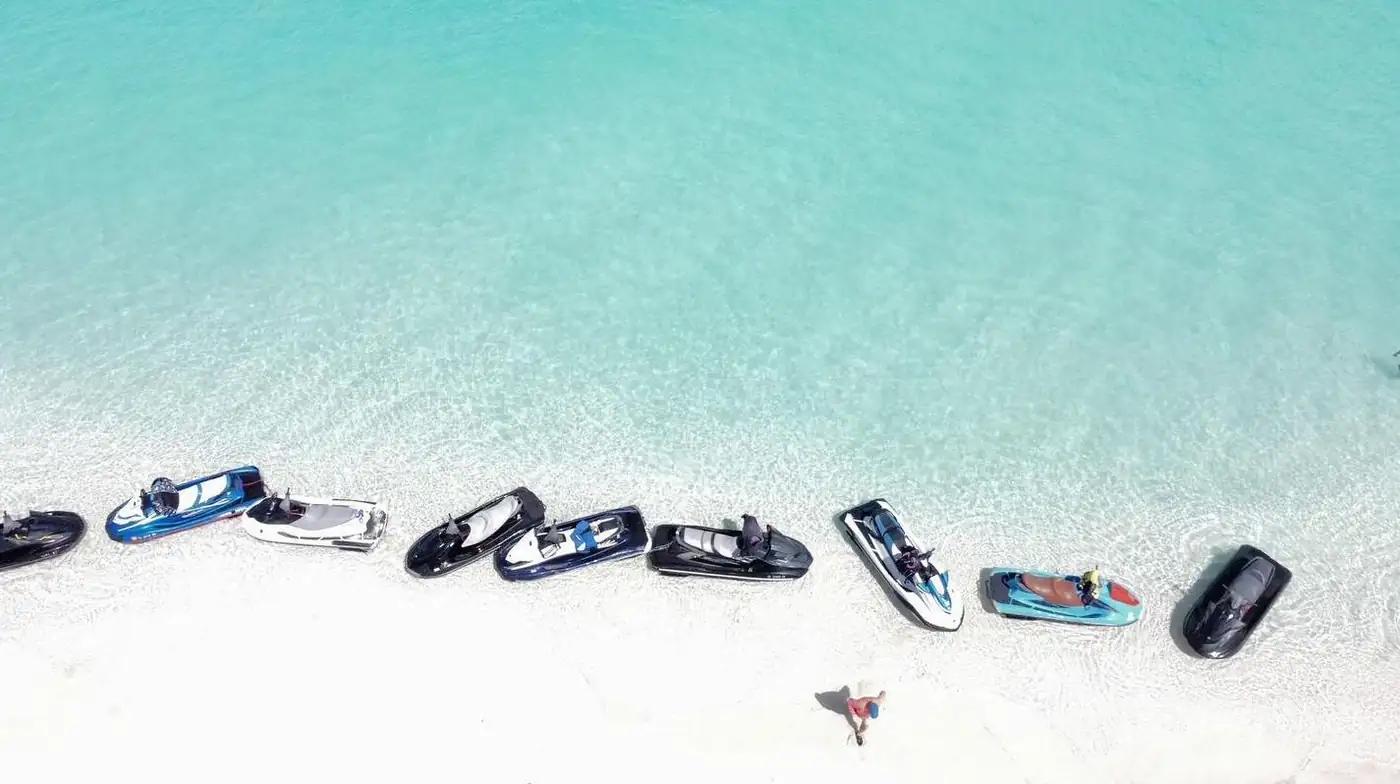
And yes, you might see a few dodgy travel ads floating around online – “Tropical Island Jet Ski Tour From Surfers Paradise” sort of thing. Just ignore them. That’s the Gold Coast, not the Great Barrier Reef. Different area, different vibe.
Choose Stability Over Speed On Water
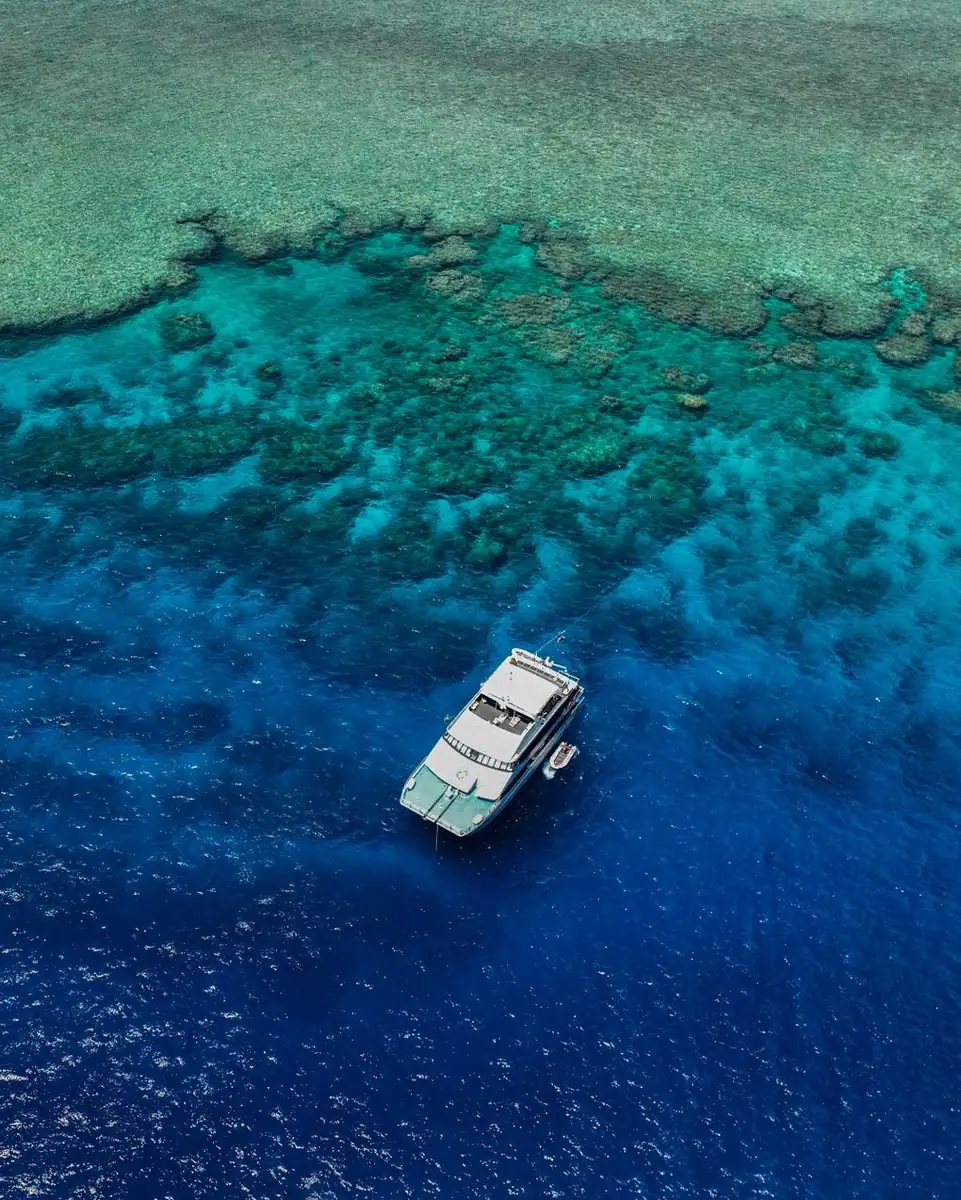
When it’s all about being comfy, have a look at big catamarans or permanent reef pontoons at the likes of Opal Reef for Outer Reef sites.
Those smaller, rigid inflatable boats – the ones like Ocean Rafting – are great for moving fast, but they also catch every bit of swell – not ideal if you’ve got a dodgy back or are feeling a bit knackered.
Catamarans are a good bet – they’ve got:
- Plenty of space on deck
- Shaded areas where you can sit and relax
- Grab rails to hang on to
- Easy to get to the loo
- Even space for a mobility aid if you need it
Pontoons, on the other hand, are even better – they sit at a single reef site for the day, so you don’t have to keep getting on and off the boat all day – just get on once, and you’re good to go.
That’s a total game-changer.
You Don’t Have To Dive In For An Hour Straight
Snorkelling is pretty flexible; you can do it for as little or as long as you like. Five minutes, ten minutes, or skip it altogether if you prefer.
Most of the outer reef platforms will have snorkelling gear and flotation vests to hand, and it’s not uncommon to find Lycra sun suits to help keep the sun off – just enter the water slowly and take a break when you need to.
Some places even run guided tours with a marine biologist; they’ll point out all sorts of cool stuff like coral polyps and fish. They’re usually pretty relaxed too – no frantic swimming required.
If you’re feeling really up against it and don’t want to get in the water at all, then you can just stay on the boat.
Sitting Down Won’t Stop You Seeing Everything
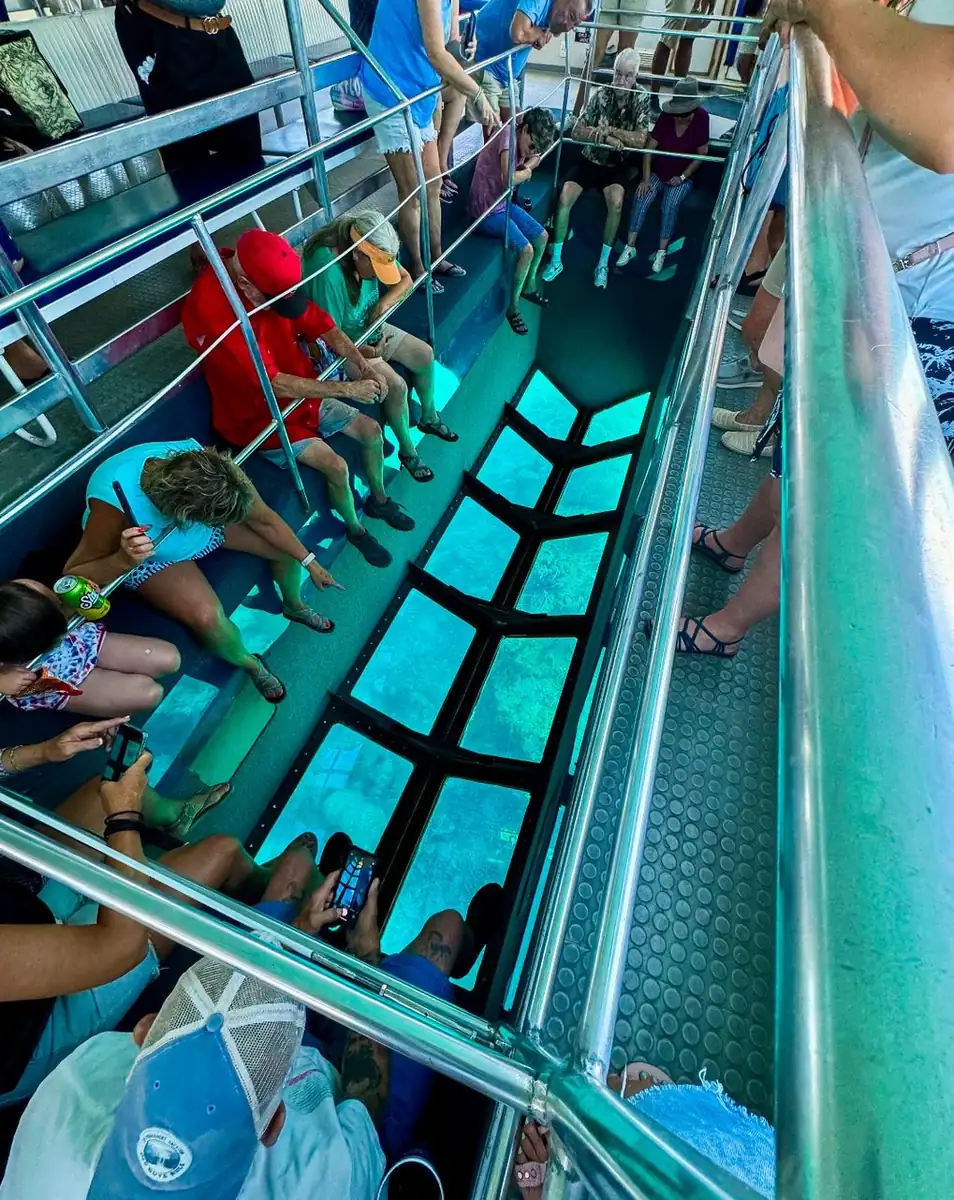
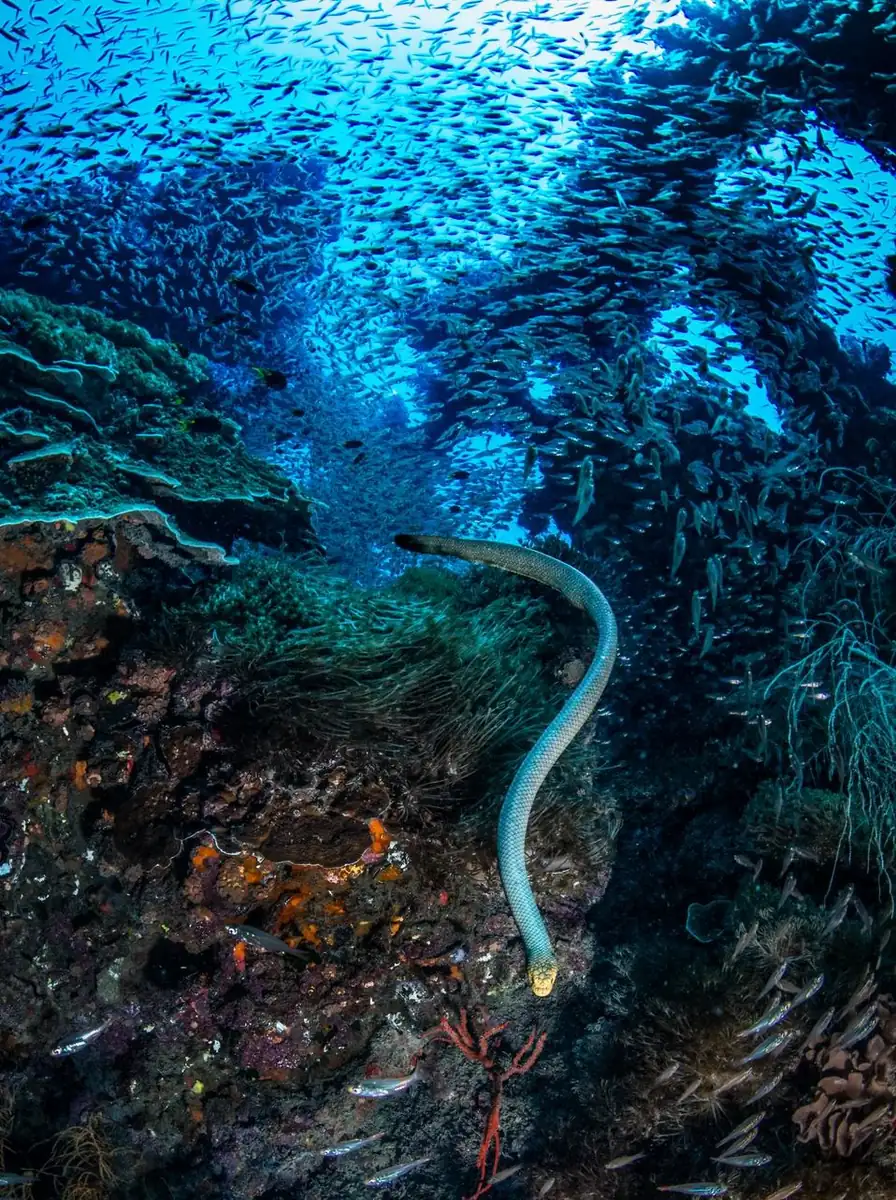
You can get on a glass-bottom boat or a semi-submersible vessel; these things act like underwater observatories – you can just sit there and watch the marine life float past the windows, see all sorts of things like turtles and fish without having to get in the water.
For people with mobility challenges, this is often the best way to experience the reef without expending too much energy.
And don’t even get me started on these Tropical Island Jet Ski Tours From Surfers – not exactly the right vibe if you’re trying to chill on the Coral Sea.
Scenic Flights: Just Chill Out
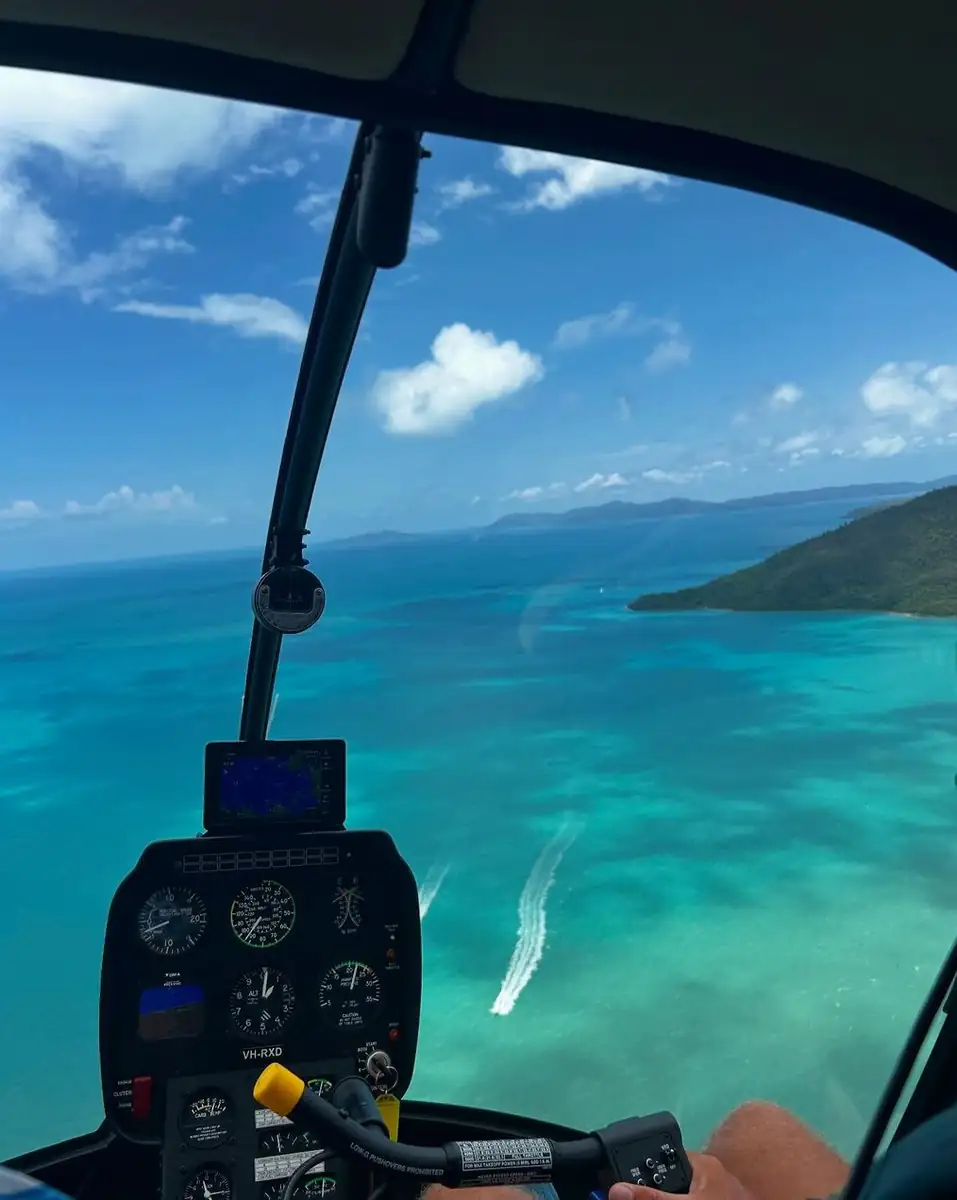
Stepping onto a boat can be a bit daunting. You might want to look at taking a scenic helicopter flight from Airlie Beach or a nearby hub – you get to see Heart Reef and all the other reefs in the Coral Sea from a pretty cool perspective.
The pilot will provide a briefing on the reefs and tides as you fly over. Getting on and off is quick and easy, you get to sit safely in a secure seat and barely break a sweat – it’s really hard to get more relaxed than that.
If you want to get a feel for the size of this place without pushing yourself too hard, then this is a good way to do it.
Comparing Your Options with Clarity
Here’s a simple rundown to help you make up your mind:
One key rule to keep in mind is that a more stable boat = less fatigue.
Master Your Day So Your Day Doesn’t Master You
Reef tours often last 6 to 8 hours, which, even without getting wet, can be draining due to the sun beating down on you every minute.
Planning ahead can be a lifesaver
- Stick to the marina so you don’t have to worry about getting back late at night
- Eat a decent meal before you board
- Be sure to pack any medication in a waterproof container
- Take breaks in the shade when you can
- Don’t be afraid to take it easy the next day
And don’t make the mistake of underestimating how much plantar fasciitis or joint pain can affect your trip. Good supportive shoes are a must, so if you can visit Physio Cairns before you go for a bit of manual therapy or a session with a Pilates instructor, you’ll be doing yourself a favour. That’s just good sense, not indulgence.
Staying hydrated is also a must – the sun here in North Queensland can be absolutely brutal.
The Season Really Does Matter
The dry season is generally the better bet – May to October, that’s when you’ll get calmer seas and lower humidity. The wet season is a whole different story – you’re more likely to run into higher humidity and even cyclones.
Water temperatures range from approximately 22 to 29 degrees (about a comfortable bath, but still requires respect). The warmer water increases the risk of coral bleaching, and the operators will adjust the reef sites accordingly, taking into account marine park zoning and conditions.
If stability is your top priority, you might find the shoulder months, such as May or September, right in between the busy school holidays, are your best bet.
Where to Draw the Line
Some people think: why not try to pack in Magnetic Island, the SS Yongala wreck dives near the Burdekin River, and some remote reef landings? Sounds like a real adventure, but the truth is, you don’t have to do it all.
Scuba diving the Yongala is a serious undertaking; you’re in for a physically demanding time on the boat. Fast boats in open water need a certain level of balance to handle safely. Just choose one day – maybe a calm Outer Reef day – and do that at least to a decent standard.
Whitehaven Beach offers excellent tours, but be sure to check the type of boat they use to ensure it’s suitable for your preferences. And really, if you come across a website promoting a “Tropical Island Jet Ski Tour From Surfers Paradise”, for example, that’s a whole different region we’re talking about. Stick with reef-specific operators and stay with what you know.
Talk to your Operator Before Booking
Getting things clear upfront really does save you from being let down.
Ask your operator questions like:
- is the boarding area wheelchair friendly
- will the crew be able to give you a hand if you need it
- are there grab bars near the loos and seats
- are assistive devices allowed on the boat
- are there some seats that get some shade that isn’t going to blow over
A good operator will be happy to give you the straight goods
Respect The Sea And The Reef
We are operating in a marine park zone that is super protected – the reef is really fragile, and we need to be super careful not to damage it. When you get on the boat, the crew will give you instructions – follow them – no standing on coral. We’re part of a larger program to restore the reef, using specialised clips for research. We need to be careful so that they work.
And remember to ‘respect’ the Sea Country of the Traditional Owners. Tourism is a big deal for this place – we need to do it right to help the ecosystem and the people who live around here.
A Bit of Straightforward Advice from Paul
I went on a trip once with a friend who has rheumatoid arthritis, and he said he had to snorkel the whole reef to make the trip worthwhile.
Turns out he did 2 snorkels for 5 minutes each at Opal Reef – then just sat on the pontoon and watched the Coral Sea change colours for the rest of the day
At the end of it, he said, “That’s just what I needed.” The point is: you don’t need a grand adventure to be worthwhile.
The Bottom Line
The Great Barrier Reef is one of those places where it really does pay to do your homework. Don’t try to muscle in on this one – instead, take your time, plan ahead and don’t be afraid to take a breather when you need to. You don’t have to push yourself to the limit or try to cram as many snorkelling trips and dramatic leaps off the boat as possible into one day.
You don’t need to be a daredevil to experience the best of the reef. With a bit of planning and a bit of realism about what you can actually handle – and who’s going to be doing the handling – you can enjoy the stunning coral gardens, get up close and personal with the marine life, and take in those jaw-dropping views of the Coral Sea horizon in comfort.
If you’re not sure where to start or what to expect from a tour with a provider like Great Barrier Reef Tours, just ask. I’d rather you had the right experience first time round, than skipped the whole thing because someone told you it was going to be too much hassle.
FAQ
Can I get to the reef if I use a mobility aid?
Yeah, you can. Larger catamarans and reef pontoons based in Cairns or Port Douglas typically offer the easiest boarding for people with mobility issues. Please check in advance how accessible the boat is.
Do you have to get in the water to see the reef?
No way. Glass-bottom boats and those semi-submersible viewing things are great for getting a good look at the marine life without having to go for a swim.
Are scenic flights better than boat tours for people in pain?
For a lot of people, yeah. You don’t have to go through the hassle of getting on and off the boat, and you get to sit down the whole time.
When is it calmest on the water?
Dry season months tend to be a bit more stable, but always keep an eye on the forecast the day before you go.
Do reef tours accommodate people with fatigue issues?
Yeah, especially if you’re on a pontoon-based tour where you can just take a seat and rest up without having to worry about getting back on the boat.