

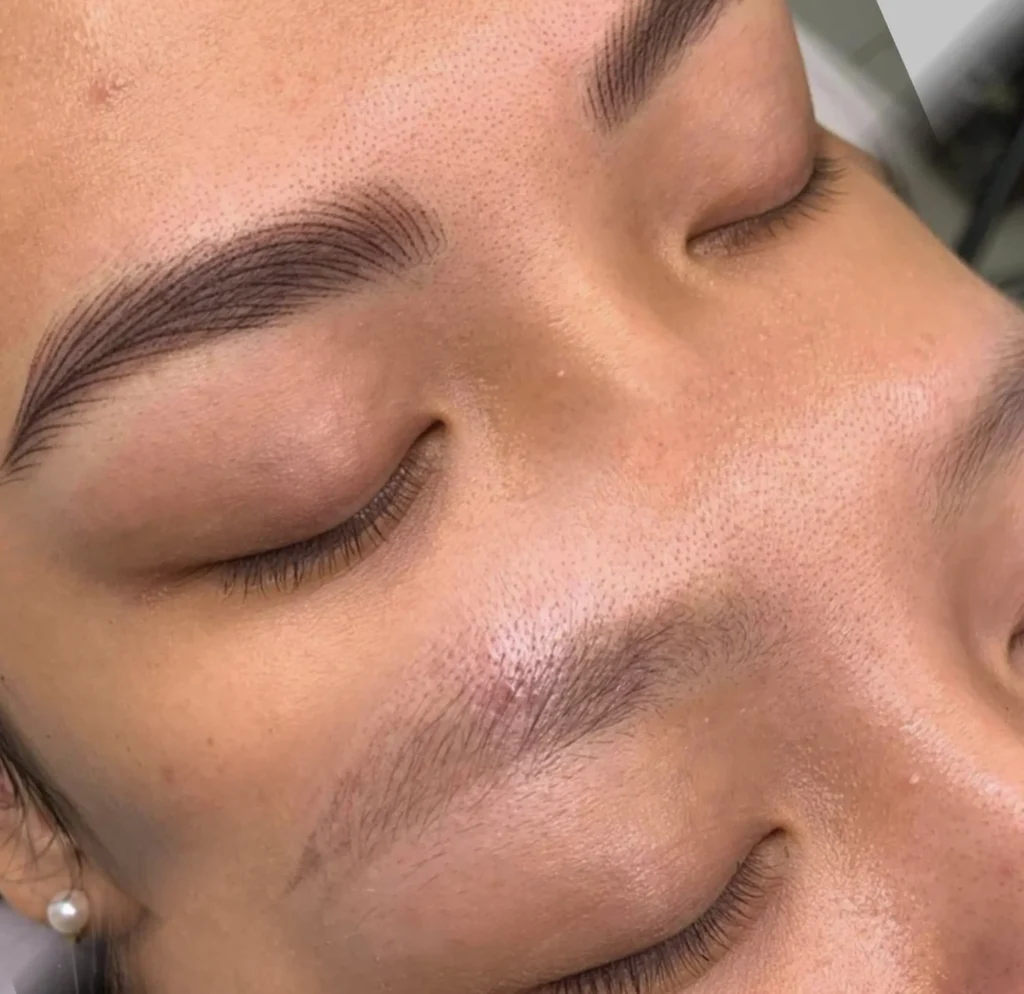
Eyebrow tattoo, otherwise called cosmetic tattoos or semi-permanent makeup, have become trendy among women who want to look beautiful. This procedure is designed to ensure the long-lasting result in attaining a perfect brow without any make-up hassle. Using tattoo ink that create eyebrows that last for years, tattoo eyebrows has become a popular choice among those who want to deal with the problem of scarce brows once and for all. However, knowing what risks and side effects associated with eyebrow tattooing are is essential when it comes to making an informed decision.

Popularity of Cosmetic Tattooing
Cosmetic Tattooing has increasingly gained popularity as a beauty trend by those yearning for long lasting makeup solutions on their brows. Unlike conventional tattoos which tend to be permanent and require more invasive procedures, eyebrow tattoos are only semi-permanent. Other methods like eyebrow microblading and other permanent make up techniques have changed how people view grooming their eyebrows. The flexibility of cosmetic tattoos ranges from bold brows to feather touch styles thereby ensuring preference is met across different tastes by customers. The convenience of reducing the daily makeup routine and achieving natural brow enhancement contributes to its growing popularity.

Side Effects to consider before getting an eyebrow tattoo
Before going into eyebrow tattooing, take into account potential risks and side effects that might happen as part of this cosmetic process; even though most people are happy about it, others may experience problems that could impact overall satisfaction.

Things to consider when getting an eyebrow tattoo?
- High Starting Costs: Initial eyebrow tattoo procedures can cost you a fortune depending on beauty parlor’s conditions, tattoo artist’s skills and kind of ink used in doing the job. Do not forget about additional expenses connected with touch-ups as well as care required for your semi-permanent eyebrows’ durability.
- Allergy and Infection Risks: One potential risk is allergic reactions towards tattoo ink or pigments applied- one should consult with cosmetic tattoo experts first before doing it if he or she has delicate skin or a history of allergic reactions. A patch test may be necessary for the early identification of any suspected allergies. The risk of infection such as haemophilum infections can occur if proper post-treatment instructions are not adhered to. These risks can be minimized by ensuring that the beauty salons observe strict hygienic measures with use of sterilized disposable microblading pens.
- Painful Healing Experience: The healing process for eyebrow tattoos can at times become uncomfortable. Some of the most common adverse effects include redness, swelling and sensitivity in treated areas. This will vary depending on one’s type of skin and how well aftercare is carried out. During this time, avoid sweating too much or exposing your brows to sunlight and makeup that could irritate it.
- Modifying Styles: After your first procedure, changing the shape or shade of your brow tattooing may be difficult. If you are dissatisfied with the outcome there are options such as eyebrow tattoo removal procedures or laser therapy among others which might help you overcome this situation. These treatments require more money and time considering what is involved in taking care of them.
- Unsatisfied Results: Finally, there is always a chance that you might not like how things turn out when everything is done. For example, you might not find particular elements in terms of brow shape, color or general aesthetic outcomes meeting your expectations. To some extent this risk can be reduced by openly talking to the brow stylist and selecting a professional permanent make-up artist whose skills would minimize it in real sense!

Purpose of patch test and procedure
Preparation for a full eyebrow tattooing process involves carrying out a patch test. This is where a small amount of pigment is applied to an inconspicuous site on the skin to find out if there will be any negative effects. If no negative effects occur, then you can proceed with the entire cosmetic tattoo procedure. This is done to ensure that any potential allergic reactions or skin sensitivities are identified beforehand, making it less likely that complications may happen during the initial procedure.
Risks
- Allergic Reaction: Anyone undergoing eyebrow tattooing can develop redness, itching, and swelling due to allergies related to tattoo pigments. People who have sensitive skin or have experienced any type of allergic reaction should be cautious enough to raise their concerns with their tattooist.
- Granulomas: These raised little bumps around the area that has been inked are created by your body in response to the tattoo ink itself. Some granulomas may look unattractive and require medical intervention.
- Sarcoidosis: In this condition, which occurs rarely, granulomas develop in different organs including the skin. Though not common, people should be aware of this risk.
- Keloids: An eyebrow tattoo can worsen keloid formation (raised scar tissue) in individuals who are prone to developing them. To minimize chances of developing keloids, proper aftercare measures need to be followed as well as choosing an expert artist.
Reducing your risk
- Avoiding Allergic Reactions: The prevention of allergies can be achieved through patch testing and informing your artist about already known allergies before getting tattoos. You could also opt for hypoallergenic colours and inks for your tattoos.
- Preventing Infection: A good beauty parlour will always uphold high standards of hygiene so as to avoid infections. Use sterile tools and follow correct after care information like blood stream infections caused by haemophilus infection when you want to avoid infections.
- Treating Scarring: If you notice the presence of scars, then it is possible that a dermatologist may suggest topical treatments like glycolic acids or chemical peels in order to reduce their appearance. In severe cases, medical intervention could be necessary.
- Preventing Pigment Migration: When you decide to have a tattoo applied in future, it is crucial that you search for an experienced artist who uses proper techniques and high-quality ink so as to avoid having the pigment moving away from its site. To maintain the integrity of your tattoo, do not expose it to too much sun and adhere to aftercare instructions.
- Avoiding Keloid Formation: For individuals who are prone to keloids they can avoid such risks by getting their tattoos done by an experienced artist and following aftercare tips diligently. Laser therapy or antifungal medicines may be recommended if keloids develop.
- Avoiding Unsatisfactory Results: It is important for the brow stylist to receive clear communication about what brow color/shape you desire. To achieve your desired aesthetic outcome, regular touch-ups should be carried out and proper aftercare followed.
- Addressing Skin Irritation: In case skin irritation occurs from using irritating products, adhering to aftercare guidelines for relief is important. If this persists, consult with healthcare provider for further advice.
When you should see a doctor?
You need immediate medical attention if you have severe allergic reactions, signs of infection or unhealing scars. Consultation with a doctor will help determine treatment options and management of complications effectively.
FAQs
What are the key hazards associated with eyebrow tattoos?
Major risks include allergies, infections scarring and disappointment with results. In order to minimize these risks, one must ensure that they use properly trained artists as well as follow correct after care procedures when considering getting them done on their bodies.
How long does the process of healing take for eyebrow tattoos?
The time it takes for an eyebrow tattoo to heal depends on individual skin type and how well you stick to the guidelines provided. Generally, initial healing takes a few days to a week, with complete healing potentially extending to several weeks.
Can I change the shape and color of my brow tattoos after they are initially done?
Making alterations on this kind of tattoo can be tough. If you want any changes, consider options such as eyebrow-tattoo-removal procedures or laser treatments. Ask your tattoo artist what else can be done.
What precautions should I take against allergic reactions that occur during eyebrow tattooing?
Do a patch test before the whole procedure and communicate all known allergies with your tattooist. The use of hypoallergenic inks and following through with aftercare instructions also help prevent allergic reactions.
What do I do in case of infection or severe scarring after getting eyebrow tattoos?
If you suspect there is an infection or severe scarring, ensure that you visit a healthcare professional immediately. This problem can easily be solved by adhering closely to proper after care guidelines and seeking appropriate medical help if needed.