
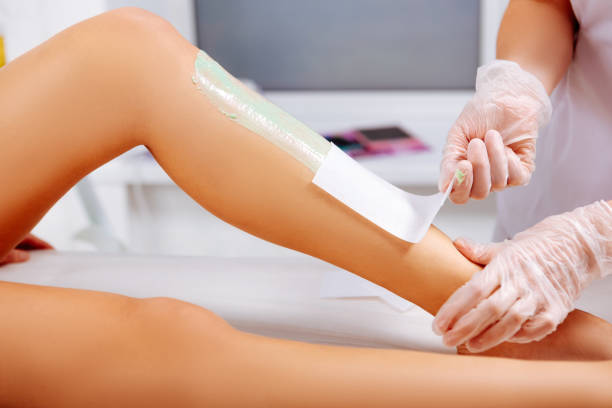
Hair removal, whether done for aesthetic reasons or personal comfort, has become an essential part of many people’s beauty and self-care routines. Yet, as with many procedures, there are certain health conditions and circumstances under which hair removal might not just be a bad idea, but potentially harmful. In this article, we’ll delve deep into understanding why certain medical conditions may be incompatible with hair removal procedures.
Brief Overview of Hair Removal Methods:
There are numerous methods available for hair removal. The most common ones include shaving, waxing, threading, and laser treatments. Some are temporary solutions while others promise longer-lasting or even permanent results. Each method comes with its own set of pros and cons, but regardless of the method, one’s health condition plays a crucial role in determining its suitability.
Why Precautions Are Necessary:
Imagine undergoing a waxing session when your skin is prone to blistering, or getting a laser treatment when you have a severe skin infection. Not only can it be painful, but it might also lead to lasting damage or complications. Precautions aren’t just guidelines – they are necessary measures to ensure your safety and optimal results.
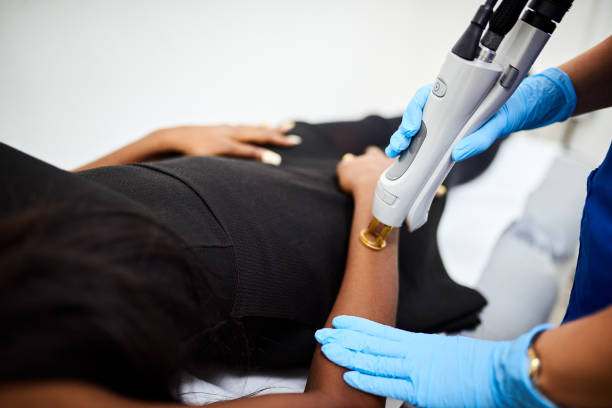
Understanding The Risks
The Connection Between Health and Hair Removal:
Our skin, the largest organ, is also a reflection of our overall health. Conditions affecting our blood, immune system, or even hormonal balances can manifest on our skin, making some hair removal methods riskier under certain health conditions. Being informed is the first step towards safe practices.
Potential Side Effects:
Here’s a quick rundown of potential side effects from hair removal based on the method:
- Shaving: Cuts, ingrown hairs, irritation, and razor burns.
- Waxing: Redness, inflammation, burns (from hot wax), and post-waxing pimples.
| Method | Common Side Effects |
|---|---|
| Shaving | Cuts, Ingrown hairs |
| Waxing | Redness, Burns |
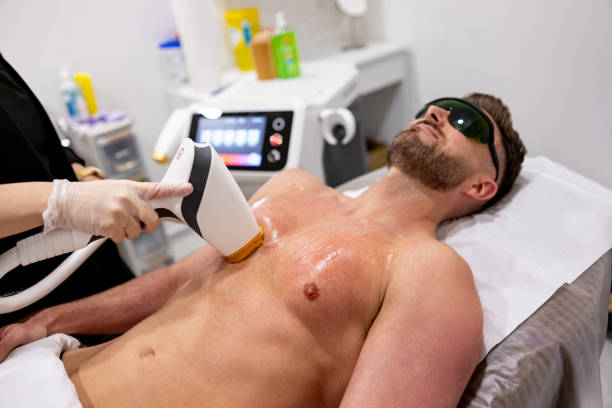
| Laser | Discoloration, Blisters |
Medical Conditions That Prohibit Hair Removal
Skin Conditions:
Our skin can be sensitive, especially if there are underlying conditions.
Eczema:
Characterized by itchy, inflamed skin. Waxing or lasering an eczema flare-up can be agonizing and may exacerbate the condition.
Psoriasis:
This condition involves the rapid buildup of skin cells, leading to scaling on the skin’s surface. Hair removal, particularly waxing and lasering, can irritate and worsen the affected areas.
Infectious Diseases:
Open sores, cold sores, or warts, among others, are not just painful but can spread infection. Hair removal on infected skin can spread the infection to other parts of the body or even to the technician. It’s always crucial to wait until any infectious outbreak has completely healed before considering hair removal.
Medical Conditions That Prohibit Hair Removal (continued)
Blood Disorders and Medications:
The state of our blood can significantly impact the healing process post hair removal.
Hemophilia:
A condition where the blood doesn’t clot normally. Any minor cuts or abrasions from hair removal methods like shaving can lead to prolonged bleeding.
Medications:
Blood-thinning medications can increase the risk of bruising or bleeding. Moreover, some medications make the skin more sensitive, increasing the risk of burns or scars from procedures like waxing or laser treatments.
Recent Surgeries and Skin Trauma:
Fresh scars or wounds should always be avoided during hair removal. Not only is the skin more sensitive, but there’s also a risk of reopening the wound or causing further damage.
Cancer and Radiation Therapy:
Undergoing radiation treatments can make the skin incredibly sensitive and more prone to damage. Laser treatments, in particular, can be harmful. If you’re undergoing or have recently finished cancer treatments, it’s imperative to consult your oncologist before any hair removal procedure.
What to Consider Before a Hair Removal Appointment
Consulting a Medical Professional:
Your dermatologist or primary care doctor should be your go-to before making decisions about hair removal, especially if you have any of the mentioned conditions. They can provide guidance tailored to your unique health situation.
Being Transparent with the Technician:
If you decide to proceed with hair removal, always inform the technician about any medical conditions or medications. This transparency ensures they can take any necessary precautions and provide the best care possible.
Conclusion
Hair removal might seem like a routine beauty treatment, but it’s essential to consider one’s health before undergoing any procedure. Whether you have a skin condition, are on specific medications, or have recently had surgery, always prioritize your well-being. Consult professionals, ask questions, and never hesitate to put your health first.
FAQs
1. Can I get laser hair removal if I’m currently on acne medications?
Some acne medications, like Accutane, can make the skin more sensitive. It’s best to wait for at least six months after stopping the medication before considering laser hair removal.
2. I have varicose veins. Is waxing safe for me?
Waxing over varicose veins can be painful and might cause more damage. It’s advisable to avoid waxing over affected areas and consult with a medical professional.
3. Are there any temporary hair removal methods that are generally safe for most conditions?
Shaving is usually the least invasive method, but even then, precautions should be taken, especially if the skin is sensitive, inflamed, or has open wounds.
4. I had chemotherapy a year ago. Can I now undergo laser hair removal?
After chemotherapy, the skin might remain sensitive for a while. While a year is a reasonable gap, it’s crucial to consult your oncologist or dermatologist before proceeding.
5. Can hormonal imbalances affect the results of hair removal?
Hormonal imbalances can affect hair growth and texture. Conditions like PCOS might result in thicker hair or increased growth, which can influence the results and frequency of hair removal treatments.
 beautymasters