

Lip injections, popularly known for enhancing and plumping the lips, are a go-to cosmetic procedure for many. Yet, post-procedure swelling can often cause apprehension. Understanding the duration and how to manage it can ease the experience. Let’s dive in!
Understanding Lip Injections
Lip injections, commonly referred to as dermal fillers, are non-surgical treatments designed to provide fuller, more youthful-looking lips. But what exactly are these injections made of, and how do they work?
- What are lip injections? Lip injections are minimally invasive procedures where a dermal filler is injected into the lips to enhance their shape, volume, or structure. For many, it’s a way to combat the signs of aging or achieve a desired aesthetic look. And, with the increasing acceptance of cosmetic enhancements, their popularity has skyrocketed.
- Common materials used Different types of fillers can be used for lip injections. The most common include:
- Hyaluronic Acid (HA): This natural substance is found in our skin and can hold up to 1,000 times its weight in water. As a filler, it’s known for its ability to enhance volume and moisture. Examples include Juvederm and Restylane.
- Collagen: Once the go-to filler, collagen has decreased in popularity with the rise of newer alternatives. It’s derived from animal sources and requires an allergy test before use.
- Fat Injections: This involves using your fat, extracted from another part of the body. Though natural, its results can be less predictable.
| Filler Type | Source | Longevity | Allergy Test Needed? |
|---|---|---|---|
| Hyaluronic Acid | Lab-made (biocompatible) | 6-12 months | No |
| Collagen | Animal | 3-4 months | Yes |
| Fat | Patient’s own body | Varies (can be permanent) | No |
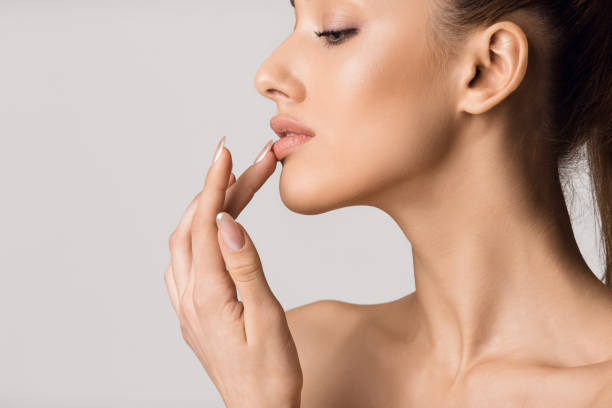
The Healing Process Post-Injection
Once you’ve made the choice and gotten those lips done, what happens next? The journey to those perfect lips is a bit more than just the procedure.
- Immediate aftermath Post-procedure, it’s normal for the lips to feel incredibly tender and appear fuller than expected. This initial swelling is a mix of the filler volume and the body’s natural reaction to the injections. Most people notice a significant reduction in this swelling within the first 24 to 48 hours.
- Peak swelling period Did you know the swelling might actually get worse before it gets better? Yup, the swelling typically peaks around the 48-hour mark post-injection. This can vary based on the filler used, the individual’s response, and the technique of the practitioner. No need to fret, though; it’s a temporary phase!
- Factors influencing swelling duration Swelling isn’t just about the injection itself. Other factors play a role, too:
- Individual response: We’re all unique, and so is our body’s response to foreign substances.
- Technique: The expertise and technique of the injector can influence the level of trauma and subsequent swelling.
- Type of filler: As seen in the table above, different fillers can elicit different reactions.
Potential Side Effects and Complications
Lip injections, while generally safe when done by trained professionals, can have side effects beyond just swelling. Being aware of these potential complications is crucial to ensure a smooth post-procedure journey.
- Bruising Along with swelling, it’s not uncommon to notice some bruising around the injection site. This is because the lips have a dense network of blood vessels, making them prone to bruising. Generally, any discoloration should fade within a week. Arnica gel or tablets might be recommended by some practitioners to speed up the healing of bruises.
- Lumps or irregularities Sometimes, tiny lumps or bumps can be felt in the lips after the procedure. Often, these will resolve on their own as the filler settles and integrates with the lip tissue. However, if they persist, it’s crucial to contact your practitioner. They might need to massage the area or, in rare cases, dissolve the filler.
- Infection While rare, there’s always a minor risk of infection with any injectable procedure. Signs to watch out for include prolonged swelling, pain, redness, or warmth around the treated area. If you suspect an infection, seek medical advice immediately.
Tips to Reduce Swelling Faster (continued)
- Over-the-counter medicines Non-prescription medicines like ibuprofen can help reduce swelling and pain. However, always consult with your practitioner before taking any medication post-procedure. They might have specific recommendations or cautions based on your individual health profile and the type of filler used.
- Stay hydrated Drinking plenty of water after your procedure can actually help reduce swelling. Hydration helps to flush out any toxins and can assist in speeding up the recovery process. So, keep that water bottle handy and remember to sip throughout the day!

Conclusion
Lip injections are a fantastic way to achieve plumper, fuller lips. However, like any procedure, it comes with its set of post-treatment reactions. Swelling is a natural and expected outcome, but with the right care, it’s manageable and temporary. By understanding the process, potential side effects, and tips for faster recovery, you can confidently strut your new pout in no time!
FAQs
- How long does the swelling typically last after lip injections? Swelling usually subsides significantly within the first 48 hours, but it can take anywhere from a week to two weeks for it to completely go down.
- Can I wear lipstick or lip balm after the procedure? It’s best to avoid applying any makeup or lip products directly after the procedure to prevent any potential contamination. However, after 24 hours, it’s generally safe to apply lip balm or lipstick, but always confirm with your practitioner.
- What should I avoid post-procedure? Avoid strenuous exercise, alcohol, and excessive sun or heat exposure for at least 24-48 hours post-procedure. These can exacerbate swelling or increase the risk of bruising.
- Is there a way to reverse the lip injection if I don’t like the results? If hyaluronic acid fillers are used, they can be dissolved using an enzyme called hyaluronidase. It’s important to consult with your practitioner if you’re unhappy with the results.
- Do lip injections hurt? Everyone’s pain tolerance varies, but most practitioners use a topical anesthetic to numb the area before the injections, making the procedure more comfortable. Some minor discomfort can be expected, but the procedure is generally well-tolerated.
 beautymasters