
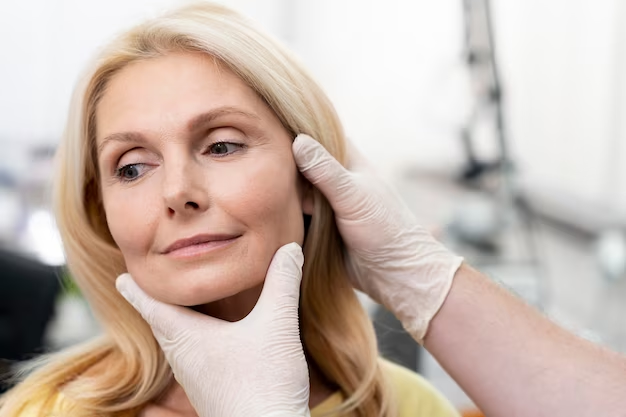
Amidst a multitude of beauty prescriptions, the direct question that many people ask is: do injections work reduce wrinkles? The straightforward answer is yes, with a growing affinity for injectable treatments indicating a significant success in softening facial lines and restoring youthful contours. In this comprehensive exploration, we delve into the realm of anti-wrinkle injectables, demystifying their science, and guiding you from the initial consultation to the diligent aftercare.
Introduction to Injectable Treatments for Anti-Aging
Among the varied approaches to counteract aging, anti-wrinkle injectables command attention for their prompt and persuasive results. As a pivotal component in the contemporary anti-aging arsenal, these non-surgical substances offer a promising solution to those intending to combat the inevitable creases that dot our skin over time. Furthermore, these procedures offer a preventive edge for younger individuals, helping them to maintain their skin’s youthful elasticity and deter signs of aging.
Understanding the Science Behind Injectable Treatments
Unveiling the mystery behind the success of anti-wrinkle injectables, it becomes clear that their secret lies in the scientific approach to skin aging. The aging dermis gradually loses its tautness and volume, leading to visible manifestations such as wrinkles and folds. Injectable treatments, through volume enhancement or muscle activity moderation, address these concerns directly. Whether by filling in the spaces where volume is lost or relaxing the muscles to prevent dynamic wrinkles like the involuntary frowning many wish to stop, these treatments can offer a smoother and more youthful skin profile.

Types of Injectable Treatments Available
- Botulinum Toxin (Botox, Dysport): These are the go-to solutions for those wondering how to stop involuntary frowning as they relax the muscles responsible for expression lines.
- Dermal Fillers (Hyaluronic Acid, Calcium Hydroxylapatite): These delicately crafted gels restore volume and address deeper structural wrinkles.
- Collagen Stimulators (Sculptra, Radiesse): Triggering the body’s own collagen production, these offer a more gradual and enduring enhancement.
The Benefits of Using Injectable Treatments for Aging Skin
- Immediate and Visible Results: The efficacy of these treatments is not a matter of debate; direct evidence displaying their ability to swiftly smooth out lines validates the claim of do injections reduce wrinkles.
- Non-Surgical and Minimally Invasive: For individuals hesitant about surgical interventions, injectables provide a welcome alternative with minimal downtime.
- Customizability and Targeted Treatment: Each session can be specifically adapted to the unique contours and concerns of the individual, allowing for precise and targeted care.
Preparing for Your Injectable Treatment: Steps to Take
- Avoid certain medications and supplements to reduce the risk of bruising.
- Stay hydrated and maintain a healthy skin care routine.
- Discuss your medical history and treatment goals with your provider.
The Procedure: What to Expect During Injectable Treatments
The walkthrough for receiving injectable treatments demystifies what patients might anticipate during the procedure:
- Initial Consultation: Crucial dialogue about aspirations and a customized treatment approach.
- Cleaning: An essential step to avert the risk of infection, ensuring a pristine area for the injectable.
- Anesthesia: Applied when needed, this guarantees a comfortable experience for those apprehensive about discomfort.
- Injection: The administration of the product is executed with the utmost precision and understanding of facial anatomy.
- Post-Injection Care: Practical advice and aftercare are vital for sustaining the refreshing results of the treatment.
| Step | Description |
|---|---|
| Initial Consultation | Pre-procedure dialogue and personalized planning |
| Cleaning & Anesthesia | Preparatory steps for a clean, numb area |
| Injection | Accurate application of the injectables |
| Post-Injection Care | Guidelines for maintaining the freshly enhanced look |
Post-Treatment Care and Maintenance
Once the injectable has been expertly placed, the journey to maintaining that refreshed look is only beginning. Post-treatment care is paramount to the longevity and success of the results.
- Avoid Strenuous Activity: It’s wise to steer clear of vigorous exercise.
- Sun Protection: Apply sunscreen and wear a hat outdoors to protect the treatment area.
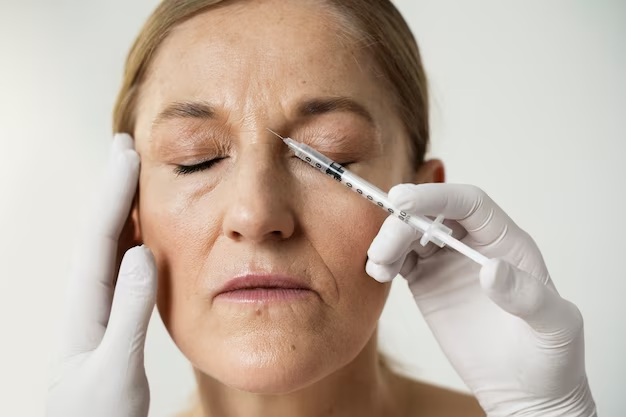
Risks and Considerations of Injectable Treatments
- Potential Side Effects: Redness, swelling, and bruising at the injection site are common, but usually temporary side effects.
- Allergic Reactions and Complications: Rarely, individuals may experience allergic reactions or other complications, underscoring the importance of a thorough medical review.
- Importance of Choosing a Qualified Provider: An essential step to minimize the risk of adverse effects and ensure the best possible results.
Comparing Injectable Treatments with Other Anti-Aging Solutions
When it comes to combating the signs of aging, individuals often explore various options to achieve a more youthful appearance. Injectable treatments, such as dermal fillers and neurotoxins, offer distinct advantages compared to other anti-aging solutions.
Dermal Fillers vs. Topical Products: While topical products can help moisturize the skin and improve its texture, dermal fillers provide a more immediate and noticeable reduction in fine lines and wrinkles. Dermal fillers work by adding volume to specific areas, restoring lost facial volume and creating a smoother, more youthful look.
Neurotoxins vs. Surgical Procedures: Injectable neurotoxins, like Botox, are often preferred over invasive surgical procedures for addressing dynamic wrinkles, such as crow’s feet and forehead lines. Neurotoxins temporarily relax the muscles responsible for these wrinkles, resulting in a smoother appearance without the need for surgery and its associated downtime.
Minimally Invasive Nature: Injectable treatments are minimally invasive compared to surgical facelifts or other more invasive procedures. This means shorter recovery times, reduced risk of complications, and the ability to resume normal activities sooner after treatment.
Customizable Results: Injectable treatments offer a high degree of customization. Practitioners can tailor the treatment plan to address specific concerns and achieve natural-looking results that enhance the individual’s unique features. This level of customization may be challenging to achieve with some other anti-aging solutions.
Duration of Results: While the effects of topical products may be temporary and require consistent application, injectable treatments can provide longer-lasting results. The duration varies depending on the specific treatment but often lasts several months, allowing individuals to enjoy sustained benefits with less frequent maintenance.
Ultimately, the choice between injectable treatments and other anti-aging solutions depends on individual preferences, goals, and the desired level of invasiveness. Consulting with a qualified healthcare professional can help determine the most suitable approach for achieving the desired anti-aging results.

The Future of Injectable Treatments for Facial Rejuvenation
The horizon of injectable treatments is brightly lit with innovation and promises to enhance the efficacy and safety of these procedures for individuals looking to maintain their youthful appearance.
FAQs
Q: Can injectables permanently remove wrinkles and lines?
A: No, injectables are a temporary solution that requires periodic treatments to maintain results.
Q: How often do I need to get injections to maintain results?
A: Frequency varies based on type, skin type, and lifestyle, but typically every 3-4 months for neurotoxins and 6 months to over a year for fillers.
Q: Are injectable treatments painful?
A: Discomfort is minimal due to fine needles and numbing techniques, but it varies by individual.
Q: How long does it take to see results from injectable treatments?
A: Botulinum toxin results may appear in 3-7 days, while fillers can be immediate, and collagen stimulators take longer.
Q: Can anyone get injectable treatments?
A: While many people are suitable for injectables, certain conditions like pregnancy may contraindicate treatment. Always consult with a healthcare provider.